610 Credit Score: Understanding Its Impact and How to Improve It
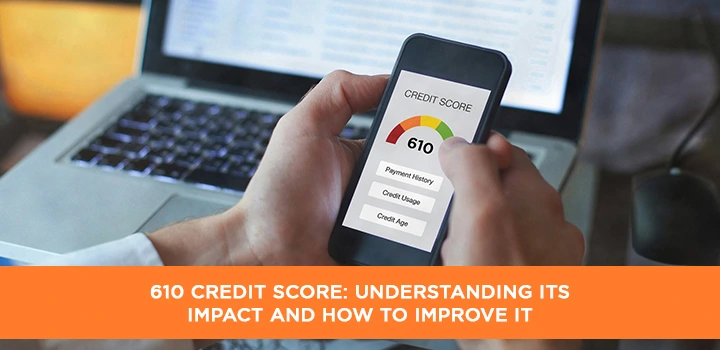
A credit score is a numerical representation of your creditworthiness, reflecting your ability to repay debts. It plays a crucial role in various financial aspects of your life, from securing loans to renting an apartment. If you're reading this, you likely have a credit score around 610, which is considered a "fair" credit score. This guide will delve into what a 610 credit score means, its impact on your financial opportunities, and practical strategies you can implement to improve it.
What Does a 610 Credit Score Mean?
Credit scores typically range from 300 to 850. A 610 score generally falls within the "fair" or "near prime" range. While not considered excellent, it's not the worst possible score either. Different credit scoring models, like FICO and VantageScore, have slightly different ranges, but the general interpretation remains the same:
- Excellent (800-850): Represents the highest level of creditworthiness.
- Very Good (740-799): Considered a strong credit profile.
- Good (670-739): Above average and generally qualifies you for most loans and credit cards.
- Fair (580-669): Below average and may result in higher interest rates or limited options.
- Poor (300-579): Indicates significant credit risks and difficulty securing credit.
Therefore, a 610 score puts you in the "fair" range, meaning you might face challenges when applying for loans or credit cards, and you'll likely be offered less favorable interest rates compared to individuals with higher scores.
The Impact of a 610 Credit Score
Your credit score influences various aspects of your financial life. Here’s a breakdown of how a 610 score can impact you:
Loan Approvals and Interest Rates
Lenders use credit scores to assess the risk associated with lending money. A 610 score suggests a higher risk than a "good" or "excellent" score. This can lead to:
- Difficulty Getting Approved: You might face rejection when applying for mortgages, auto loans, or personal loans.
- Higher Interest Rates: If approved, you'll likely pay significantly higher interest rates compared to borrowers with better credit. This can substantially increase the total cost of the loan over its lifetime.
- Larger Down Payments: Lenders might require larger down payments to offset the perceived risk.
Credit Card Offers
A 610 score can limit your credit card options. You might be restricted to:
- Secured Credit Cards: These require a cash deposit as collateral, which serves as your credit limit.
- Credit Cards with Higher Fees: Some credit cards designed for individuals with fair credit come with annual fees, monthly maintenance fees, and other charges.
- Lower Credit Limits: You'll likely receive a lower credit limit compared to someone with a higher credit score.
Insurance Premiums
In some states, insurance companies use credit scores to determine insurance premiums. A lower score can result in higher premiums for auto insurance, homeowners insurance, and other types of insurance.
Renting an Apartment
Landlords often check credit scores as part of the application process. A 610 score might make it more difficult to rent an apartment, and you may be required to pay a larger security deposit.
Utility Services
Utility companies (electricity, gas, water) may also check your credit. A lower score could result in a requirement for a security deposit to establish service.
Understanding the Factors Affecting Your Credit Score
To improve your credit score, it’s essential to understand the factors that influence it. FICO, the most widely used credit scoring model, considers these five key factors:
- Payment History (35%): This is the most important factor. It reflects whether you've made payments on time. Late payments, even by a few days, can negatively impact your score.
- Amounts Owed (30%): This refers to your credit utilization ratio, which is the amount of credit you're using compared to your total available credit. Ideally, keep your credit utilization below 30%.
- Length of Credit History (15%): A longer credit history generally indicates a lower risk. The age of your oldest account, newest account, and the average age of all accounts are considered.
- Credit Mix (10%): Having a mix of different types of credit (credit cards, installment loans, mortgages) can positively impact your score.
- New Credit (10%): Opening too many new accounts in a short period can lower your score, as it suggests increased risk. Also, hard inquiries from applying for credit can slightly lower your score.
Strategies to Improve a 610 Credit Score
Improving a 610 credit score requires a consistent and strategic approach. Here are some actionable steps you can take:
1. Make On-Time Payments
This is the most crucial step. Set up automatic payments or reminders to ensure you never miss a due date. Even one late payment can significantly impact your score. Prioritize paying at least the minimum amount due on all your credit accounts.
2. Reduce Credit Utilization
Aim to keep your credit utilization below 30% on each credit card. For example, if you have a credit card with a $1,000 limit, try to keep your balance below $300. Strategies to lower credit utilization include:
- Paying Down Balances: This is the most direct way to lower your credit utilization.
- Requesting a Credit Limit Increase: If you can get a credit limit increase without a hard inquiry, this can improve your utilization ratio. Be careful not to spend more just because you have a higher limit.
- Using Multiple Credit Cards Strategically: If you have multiple credit cards, spread your spending across them to avoid maxing out any single card.
3. Review Your Credit Report for Errors
Obtain copies of your credit reports from the three major credit bureaus (Equifax, Experian, and TransUnion) at AnnualCreditReport.com. Review each report carefully for inaccuracies, such as incorrect account balances, late payments, or accounts that don't belong to you. If you find errors, dispute them with the credit bureau. You can usually do this online or by mail.
4. Become an Authorized User
If you have a trusted friend or family member with a credit card that has a good payment history and low credit utilization, ask if you can become an authorized user on their account. This can help you build credit without having to open your own account. Make sure the credit card company reports authorized user activity to the credit bureaus.
5. Consider a Secured Credit Card
If you're having difficulty getting approved for an unsecured credit card, a secured credit card can be a good option. These cards require a cash deposit that serves as your credit limit. Make sure the issuer reports to all three major credit bureaus. Use the card responsibly and pay your bills on time to build credit.
6. Explore Credit Builder Loans
Credit builder loans are designed to help people with limited or damaged credit build a positive payment history. With these loans, you typically make payments into an account, and the lender reports your payments to the credit bureaus. Once you've made all the payments, you receive the funds. This can be a helpful way to build credit without having to spend any money.
7. Avoid Opening Too Many New Accounts
Opening multiple new accounts in a short period can lower your credit score. Focus on managing your existing accounts responsibly and avoid applying for new credit unless absolutely necessary.
8. Be Patient and Consistent
Improving your credit score takes time and effort. It's unlikely you'll see a significant improvement overnight. Be patient and consistent with your efforts, and over time, you'll see your score improve.
9. Debt Management Strategies
While a 610 score might not be indicative of overwhelming debt, employing smart debt management strategies can accelerate your credit improvement. Consider:
- Debt Avalanche Method: Focus on paying off the debts with the highest interest rates first, saving you money in the long run.
- Debt Snowball Method: Pay off the smallest debts first to gain momentum and motivation.
- Balance Transfer: Transfer high-interest balances to a credit card with a lower interest rate (be mindful of transfer fees).
- Debt Consolidation Loan: Combine multiple debts into a single loan with a fixed interest rate (ensure the interest rate is lower than your current rates).
Monitoring Your Credit Score and Report
Regularly monitoring your credit score and credit report is essential for tracking your progress and identifying any potential problems. You can use free credit monitoring services like Credit Karma, Credit Sesame, or Experian. These services provide you with access to your credit scores and reports and alert you to any changes that might affect your credit. Also, remember you are entitled to a free credit report from each of the three major credit bureaus every 12 months at AnnualCreditReport.com.
When to Seek Professional Help
While many people can improve their credit score on their own, there are situations where seeking professional help from a credit counselor or credit repair company may be beneficial. Consider seeking professional help if:
- You're overwhelmed by debt and struggling to manage your finances.
- You've been a victim of identity theft.
- You have complex credit issues that you don't know how to resolve.
Be cautious of credit repair companies that make unrealistic promises or charge exorbitant fees. Look for reputable credit counseling agencies that are accredited by the National Foundation for Credit Counseling (NFCC).
📚More About Credit Score

Best Habits for Maintaining a Good Credit Score
May 12, 2026
Minimum Credit Score for Personal Loan in USA: Complete 2026 Guide
April 29, 2026
Why Is My Credit Score Not Increasing?
April 21, 2026