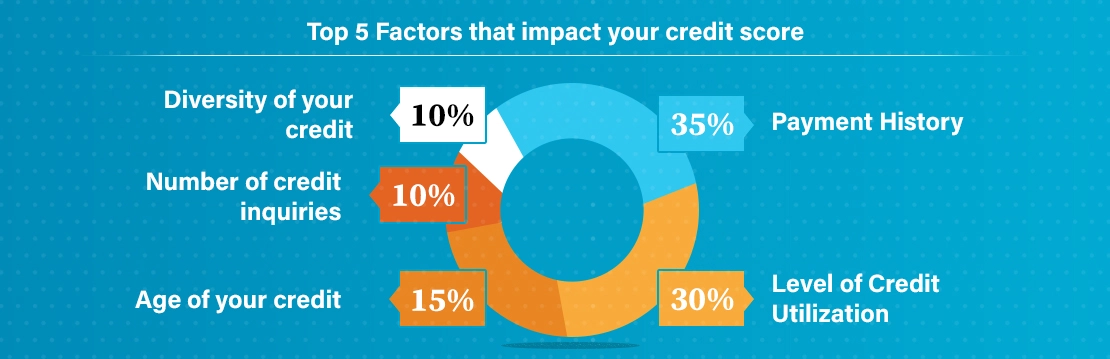
A good credit card utilization ratio is typically less than 30%. That means you should never use more than one-third of your available credit on any given month. Utilizing too much of your available credit can negatively affect your score, so keeping this ratio as low as possible is essential.
A high credit utilization ratio can also lead to increasing interest rates and late fees from lenders. Keeping a lower balance on your account will help you maintain a healthy score, avoid penalties, and save money in the long run.
How to improve your credit utilization rate?
Credit utilization is the ratio of your debt to your credit limit. It can also be interpreted as how much of your available credit you are using at a given time, which can affect your score and the interest rates and fees associated with any new or existing loans. Typically, someone with a high credit utilization rate will have a lower score because it indicates they're taking on more debt than their income allows. But there are ways to improve this situation.
1. Pay down your debt
Paying down debt is the most critical step you can take to help your credit score. To do so, make sure that every month on each of your credit cards, you're paying more than just the minimum amount due; in some cases, they may require a certain percentage like 10% and if not possible, then at least pay 100%. It would help if you also considered consolidating all those pesky balances onto one card with an introductory 0% APR balance transfer offer (make sure this doesn't go over 30 months, though).
Pay off high-interest debt first - Paying down debt with the highest interest rates, such as purchases and cash advances from credit cards. It can help lower what you owe faster by reducing monthly payments on those accounts while boosting your FICO® rating for paying higher balances each month. Ensure that any additional money going towards finances goes directly into long-term investments like compound savings bonds, which earn interest at about double what most loans offer today (and are exempt from income tax).
2. Increase your credit card limit
You may be tempted to spend money that you don't have, but if you can resist the temptation and use your credit card wisely, getting a credit limit increase will improve your ratio. You'll get an automatic hard inquiry which temporarily drops your score by 5-10 points, but this is all worth it because, in the end. With just one extra bump of up to $15k on maximum spending allowance as opposed to only 8k before, there's less chance of maxing out past the 25% utilization rate for every dollar spent now.
3. Keep cards open after paying them off
Keeping an account open can be a wise move for several reasons. First, you may want to keep it in your wallet as a form of security against getting into debt again and then having no way to pay the bills or other necessities like groceries. Second, suppose you close out the account that has been paid off but still bear interest on outstanding balances (credit cards typically charge between 12% and 17%). In that case, this will negatively impact your credit utilization ratio, which could significantly affect your score and the rates others offer when lending money, such as mortgages or car loans.
4. Set up balance alerts
Credit utilization is a factor in your credit score. One way is with balance alerts, which notify you when it reaches a certain percentage. Set up a monthly alert and stay informed about how much money goes through your card each month- giving yourself peace of mind and improving your score.
If you have any questions about the credit utilization ratio, call the credit specialists at CreditRepairEase at (888) 803-7889. For more than 7+ years, CreditRepairEase has helped clients work towards fair and accurate credit scores by leveraging their rights.
How to calculate credit card usage percentage?
To calculate your credit card usage percentage (also known as credit utilization), use this formula:
Credit Card Usage Percentage = (Current Balance / Credit Limit) × 100
Steps:
-
Find your current balance: This is the amount you're currently owing on your credit card.
-
Find your credit limit: This is the maximum amount your credit card issuer allows you to borrow.
-
Plug the values into the formula: Divide your current balance by your credit limit, then multiply by 100 to get the percentage.
Example:
-
Current balance: $500
-
Credit limit: $2,000
Credit Card Usage Percentage = ($500 / $2,000) × 100 = 25%
This means you're using 25% of your available credit. It's generally recommended to keep your credit utilization below 30% to maintain a healthy credit score.