How To Get A Mortgage With A Low Credit Score?
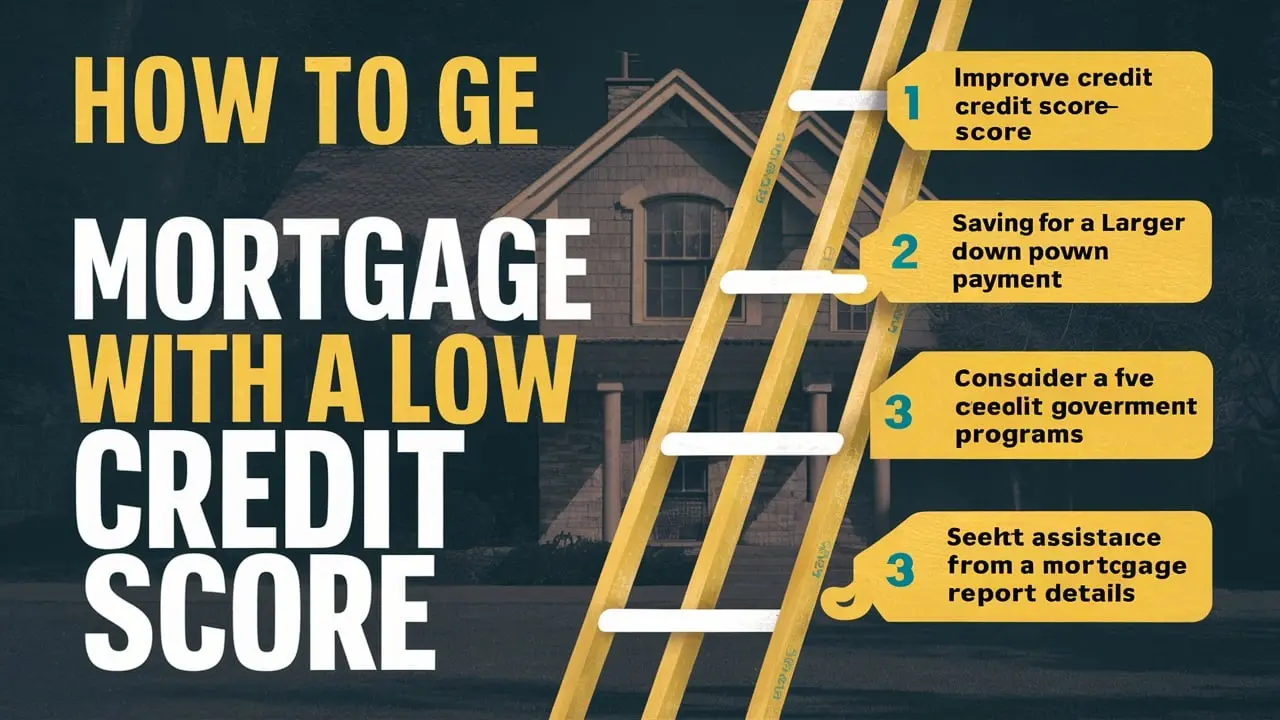
Dreaming of owning a home, but a low credit score is holding you back? You're not alone. Many people face this challenge. While a low credit score can make it more difficult to secure a mortgage, it's not an insurmountable obstacle. This comprehensive guide will explore various strategies, loan options, and credit repair tips to help you achieve your homeownership goals, even with less-than-perfect credit.
Understanding Your Credit Score and Its Impact
Before diving into solutions, it's crucial to understand what constitutes a "low" credit score and how it impacts your mortgage application. Credit scores, typically ranging from 300 to 850, are used by lenders to assess your creditworthiness. A lower score signifies a higher risk of default.
What is Considered a Low Credit Score?
While definitions vary, a credit score below 620 is generally considered low. Scores are typically categorized as follows:
- Excellent: 750+
- Good: 700-749
- Fair: 650-699
- Poor: 550-649
- Very Poor: Below 550
Impact of a Low Credit Score on Mortgage Approval
A low credit score can affect your mortgage application in several ways:
- Higher Interest Rates: Lenders compensate for the increased risk by charging higher interest rates, leading to significantly larger monthly payments and overall cost of the loan.
- Lower Loan Amounts: You may qualify for a smaller loan amount, limiting your choice of homes.
- Difficulty Getting Approved: Some lenders may simply deny your application outright.
- Higher Down Payment Requirements: Lenders may require a larger down payment to mitigate their risk.
- Fewer Loan Options: You may have fewer mortgage options available to you.
Strategies to Improve Your Mortgage Approval Chances With a Low Credit Score
While improving your credit score is always the best long-term solution, there are immediate steps you can take to enhance your chances of getting a mortgage with a low credit score:
1. Check Your Credit Report for Errors
Errors on your credit report can negatively impact your score. Obtain a copy of your credit report from each of the three major credit bureaus (Equifax, Experian, and TransUnion) at AnnualCreditReport.com. Carefully review each report for inaccuracies, such as incorrect account balances, late payments that weren't actually late, or accounts that don't belong to you. Dispute any errors directly with the credit bureau. This is a crucial first step as correcting errors can provide an immediate boost to your score.
2. Save for a Larger Down Payment
A larger down payment demonstrates to lenders that you have more "skin in the game" and are less likely to default on the loan. It also reduces the loan-to-value ratio (LTV), which lenders prefer. Aim for at least 10% or even 20% if possible. A larger down payment can sometimes offset the risk associated with a low credit score.
3. Reduce Your Debt-to-Income Ratio (DTI)
Your DTI is the percentage of your gross monthly income that goes towards debt payments (including your potential mortgage payment). Lenders prefer a lower DTI, as it indicates that you have more disposable income and are better able to manage your debts. Pay down existing debts, especially credit card balances, to lower your DTI. Avoid taking on new debt before applying for a mortgage.
4. Get Pre-Approved for a Mortgage
Getting pre-approved for a mortgage provides you with a realistic idea of how much you can borrow and what interest rate you might qualify for. It also demonstrates to sellers that you're a serious buyer. Shop around with multiple lenders to compare rates and terms. Be upfront about your credit situation so the lenders can assess your application accurately.
5. Find a Co-Signer or Co-Borrower
If possible, consider asking a family member or friend with a strong credit history to co-sign or co-borrow on the mortgage. This can significantly improve your chances of approval, as the lender will consider the co-signer's creditworthiness as well. However, be aware that the co-signer is equally responsible for the debt, so it's crucial to have a clear understanding of the risks and responsibilities involved.
6. Improve Your Credit Utilization Ratio
Your credit utilization ratio is the amount of credit you're using compared to your total available credit. For example, if you have a credit card with a $1,000 limit and you have a balance of $300, your credit utilization ratio is 30%. Experts recommend keeping your credit utilization below 30% for each card and overall. Lowering your credit utilization can have a positive impact on your credit score.
7. Maintain Consistent Payment History
Consistent, on-time payments are crucial for building and maintaining good credit. Make sure you pay all your bills on time, every time. Consider setting up automatic payments to avoid missed deadlines.
Mortgage Options for Borrowers With Low Credit Scores
Several mortgage programs cater specifically to borrowers with less-than-perfect credit:
1. FHA Loans
FHA loans are insured by the Federal Housing Administration and are a popular option for first-time homebuyers and those with lower credit scores. FHA loans typically require a lower down payment (as little as 3.5% with a credit score of 580 or higher) and have more lenient credit requirements than conventional loans. However, FHA loans require mortgage insurance, which includes an upfront premium and an annual premium paid monthly.
2. VA Loans
VA loans are guaranteed by the Department of Veterans Affairs and are available to eligible veterans, active-duty service members, and surviving spouses. VA loans often require no down payment and have no private mortgage insurance (PMI) requirements. While the VA doesn't set a minimum credit score, lenders typically require a score of at least 620. VA loans also come with competitive interest rates.
3. USDA Loans
USDA loans are guaranteed by the U.S. Department of Agriculture and are available to borrowers purchasing homes in eligible rural areas. USDA loans often require no down payment and have low interest rates. While USDA loans don't have a strict minimum credit score requirement, lenders generally prefer borrowers with scores of 620 or higher. These loans are designed to promote homeownership in rural communities.
4. Non-QM Loans
Non-Qualified Mortgage (Non-QM) loans are a type of mortgage that doesn't meet the strict guidelines of a Qualified Mortgage (QM). This allows lenders more flexibility in approving borrowers who may not qualify for traditional mortgages due to credit challenges, self-employment income, or other factors. Non-QM loans typically have higher interest rates and fees to compensate for the increased risk to the lender.
5. State and Local Housing Programs
Many states and local municipalities offer programs designed to assist first-time homebuyers, including those with low credit scores. These programs may offer down payment assistance, grants, or low-interest loans. Research programs available in your area to see if you qualify.
The Importance of Credit Repair
While you can take steps to improve your chances of getting a mortgage with a low credit score, focusing on long-term credit repair is essential for your financial future. Here are some key strategies:
1. Pay Bills On Time
Payment history is the most significant factor influencing your credit score. Make sure you pay all your bills on time, every time. Set up automatic payments or reminders to avoid missing deadlines.
2. Reduce Credit Card Debt
High credit card balances can negatively impact your credit score. Focus on paying down your credit card debt, starting with the cards with the highest interest rates. Consider using the debt snowball or debt avalanche method.
3. Avoid Opening Too Many New Accounts
Opening multiple new credit accounts in a short period can lower your credit score. Avoid applying for new credit unless it's absolutely necessary.
4. Become an Authorized User
If you have a friend or family member with a credit card in good standing, ask them to add you as an authorized user. Their positive payment history can help improve your credit score.
5. Consider a Secured Credit Card
A secured credit card requires you to deposit money as collateral, which serves as your credit limit. Using a secured credit card responsibly and making timely payments can help you build credit.
6. Work with a Credit Counseling Agency
If you're struggling to manage your debt, consider working with a non-profit credit counseling agency. They can provide guidance on budgeting, debt management, and credit repair.
Finding the Right Lender
Not all lenders are created equal. Some lenders specialize in working with borrowers with low credit scores, while others are more conservative. Shop around and compare rates and terms from multiple lenders. Don't be afraid to ask questions and negotiate. Look for lenders who are transparent about their fees and requirements. Read online reviews and check the lender's reputation with the Better Business Bureau.
Alternative Financing Options
If you're unable to qualify for a traditional mortgage, consider alternative financing options, such as:
- Rent-to-Own: A rent-to-own agreement allows you to rent a property with the option to purchase it at a later date. A portion of your rent payments may go towards the purchase price.
- Seller Financing: In seller financing, the seller acts as the lender and provides the financing for the purchase of the property.
- Hard Money Loans: Hard money loans are short-term loans that are typically secured by real estate. They often have higher interest rates and fees than traditional mortgages.
📚More About Credit Score

Best Habits for Maintaining a Good Credit Score
May 12, 2026
Minimum Credit Score for Personal Loan in USA: Complete 2026 Guide
April 29, 2026
Why Is My Credit Score Not Increasing?
April 21, 2026