How to Get Your Credit Score from 633 to 708 in 5 Months
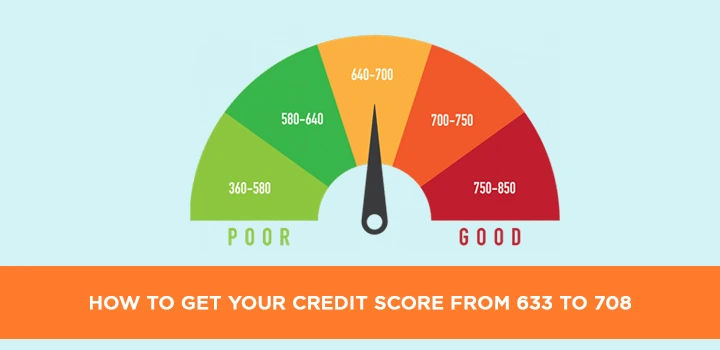
Improving your credit score can unlock better financial opportunities. This guide provides actionable steps to help you boost your credit score from 633 to 708 in just 5 months.
Understanding Your Starting Point: A Credit Score of 633
A credit score of 633 falls into the "fair" credit range. This means you may face higher interest rates on loans and credit cards compared to those with higher scores. Understanding this starting point is crucial for setting realistic goals and tracking progress.
Before embarking on your credit improvement journey, it's essential to understand the factors that influence your score. These include:
- Payment History (35%): The most significant factor, reflecting whether you pay your bills on time.
- Amounts Owed (30%): Also known as credit utilization, it represents the amount of credit you're using compared to your total available credit.
- Length of Credit History (15%): How long you've had credit accounts.
- Credit Mix (10%): The variety of credit accounts you have (e.g., credit cards, loans).
- New Credit (10%): How often you apply for new credit.
Step 1: Obtain Your Credit Reports and Identify Errors
The first step is to obtain your credit reports from all three major credit bureaus: Experian, Equifax, and TransUnion. You can do this for free annually at AnnualCreditReport.com.
Carefully review each report for errors, such as:
- Incorrect personal information
- Accounts that don't belong to you
- Incorrect payment history
- Duplicate accounts
Why is this important? Errors can negatively impact your credit score. Correcting them is a crucial first step.
How to Dispute Errors on Your Credit Report
- Gather documentation: Collect any evidence supporting your dispute, such as bank statements or payment confirmations.
- Write a dispute letter: Clearly explain the error and provide supporting documentation. You can find sample dispute letters online.
- Send the dispute letter: Mail the letter to the credit bureau reporting the error via certified mail with return receipt requested. This provides proof that the bureau received your dispute.
- Follow up: Credit bureaus have 30 days to investigate and respond to your dispute. If they don't respond within this timeframe, the error must be removed.
Step 2: Focus on Timely Payments
Payment history is the most significant factor in determining your credit score. Make every effort to pay all your bills on time, every time.
Strategies for Ensuring Timely Payments
- Set up automatic payments: Automate payments for recurring bills, such as credit cards, utilities, and loans.
- Use reminders: Set up calendar reminders or use budgeting apps to track payment due dates.
- Contact creditors: If you're struggling to make a payment, contact the creditor immediately to explore options like payment plans or hardship programs. Don't just ignore the problem!
Impact: Consistent on-time payments demonstrate responsible credit behavior and will positively impact your credit score over time.
Step 3: Reduce Your Credit Utilization Ratio
Credit utilization is the amount of credit you're using compared to your total available credit. It's recommended to keep your credit utilization below 30%. For example, if you have a credit card with a $1,000 limit, aim to keep your balance below $300.
Strategies for Reducing Credit Utilization
- Pay down balances: Make extra payments on your credit cards to reduce your outstanding balances.
- Request a credit limit increase: Contact your credit card issuer and request a credit limit increase. This will increase your total available credit, thereby lowering your credit utilization ratio. Be cautious, though: a credit limit increase can encourage overspending.
- Consider a balance transfer: Transfer high-interest balances to a credit card with a lower interest rate. This can save you money on interest charges and help you pay down your debt faster.
Example: If you have two credit cards with a combined credit limit of $5,000 and a total balance of $2,500, your credit utilization is 50%. Paying down $1,000 of your balance would reduce your credit utilization to 30%, which is a significant improvement.
Step 4: Avoid Opening Too Many New Accounts
Opening multiple new credit accounts in a short period can lower your credit score. Each application results in a hard inquiry on your credit report, which can temporarily decrease your score. Furthermore, opening many new accounts can signal to lenders that you're a higher-risk borrower.
Focus on Building Existing Credit
Instead of opening new accounts, focus on managing your existing credit responsibly. This includes:
- Making timely payments
- Keeping your credit utilization low
- Avoiding unnecessary credit applications
Step 5: Consider Becoming an Authorized User
If you have a close friend or family member with a credit card in good standing and a long credit history, ask if you can become an authorized user on their account. This allows you to benefit from their positive credit history without having to apply for a new credit card.
Important Considerations
- Choose wisely: Only become an authorized user on accounts with a strong payment history and low credit utilization.
- Understand the risks: You are not legally responsible for the debt on the card, but the cardholder's behavior will affect your credit score.
Step 6: Explore Credit-Builder Loans
A credit-builder loan is a small loan specifically designed to help individuals with limited or poor credit history build a positive credit profile. The funds are usually held in a secured account while you make regular payments over a set period. Once you've repaid the loan, you receive the funds, and your payment history is reported to the credit bureaus.
How Credit-Builder Loans Work
- Apply for a loan: Find a credit union or community bank that offers credit-builder loans.
- Make regular payments: Make on-time payments each month for the duration of the loan term.
- Receive the funds: Once you've repaid the loan in full, you'll receive the funds you borrowed.
Step 7: Monitor Your Progress Regularly
It's crucial to monitor your credit score and credit reports regularly to track your progress and identify any potential issues. You can use free credit monitoring services or subscribe to a paid service that provides more detailed information and alerts.
What to Look For
- Changes in your credit score: Track your score over time to see if it's improving.
- New accounts or inquiries: Investigate any unfamiliar accounts or inquiries on your credit report.
- Errors or inaccuracies: Continue to monitor for errors and dispute them promptly.
Maintaining Momentum: Beyond the 5-Month Goal
Reaching a credit score of 708 is a significant achievement, placing you in the "good" credit range. However, maintaining and further improving your credit requires ongoing effort and diligence.
Long-Term Credit Health Strategies
- Continue making on-time payments: This remains the most crucial factor.
- Keep credit utilization low: Aim for under 30%, and ideally below 10%.
- Diversify your credit mix: A healthy mix of credit cards, installment loans, and mortgages can boost your score.
- Regularly review your credit reports: Check for inaccuracies and signs of identity theft.
- Avoid impulsive credit decisions: Don't open new accounts unless necessary, and carefully consider the terms before applying.
By consistently practicing these habits, you can build a strong credit profile that opens doors to better financial opportunities in the future.
📚More About Credit Score

Best Habits for Maintaining a Good Credit Score
May 12, 2026
Minimum Credit Score for Personal Loan in USA: Complete 2026 Guide
April 29, 2026
Why Is My Credit Score Not Increasing?
April 21, 2026